
Share this
by Hyde on Dec 22, 2025, 4:00:00 AM
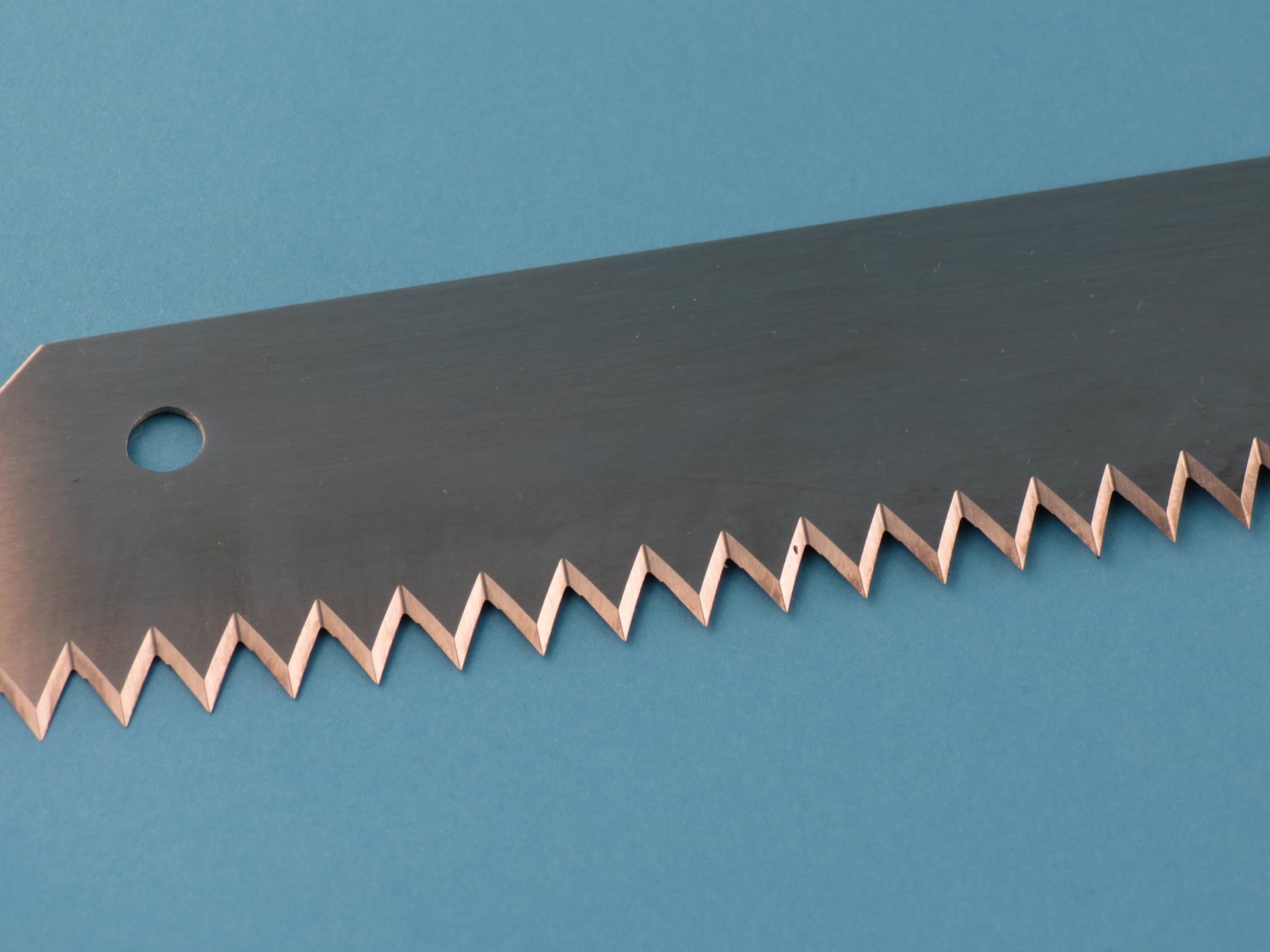
Industries like food processing, plastics, and textiles cannot operate without a reliable, high-quality industrial knives and blades supplier. The right partner does more than replace your worn-out blades with temporary fixes; they deliver precisely engineered blades for optimal cost efficiency and cutting quality.
Still, knowing the importance of a great industrial blade supplier and actually finding one are two very different beasts. With countless industrial blade manufacturers competing for attention, simply picking the first or cheapest option often leads to hidden costs. Careful evaluation allows you to identify a long-term partner and truly get the most from industrial blades.
How supplier choice impacts more than blade cost
You may be tempted to compare per-blade prices alone, letting the lowest number drive the choice. However, this approach can cost more in the long run.
Consider this example: Supplier A offers custom fabrication for industrial blades engineered to process poultry, while Supplier B offers an off-the-shelf solution for the same task. Supplier A's blades cost 50% more than Supplier B's blades, making Supplier B seem more affordable on per-blade costs alone. However, Supplier A's blades also last 200% longer. So, despite Supplier A's blades costing more per-blade, they ultimately deliver double the ROI of Supplier B's blades by significantly reducing the number of blade replacements required to achieve the same level of production. Those are some big potential savings, but without a more comprehensive analysis of what the two different suppliers offer, those savings would remain invisible.
To help you make your own analyses, here are five critical questions you can ask potential blade suppliers.
Question 1: Does the supplier have true expertise in blade quality and materials?
A good supplier should have a strong grasp on how to extend industrial blade life.
This starts by offering a wide range of steel alloys for industrial applications, including food-grade stainless steel for food processing plants, tool steel alloys for heavy-duty use, and high-speed steel for demanding manufacturing conditions. Also look for surface finish and blade treatment options that can improve qualities like durability and corrosion resistance.
Another angle to consider is a supplier's understanding of blade geometry. Blade dimensions and shape impact both cut quality and blade life. A supplier that claims to serve a wide variety of industries should also offer a wide range of blade geometry options that reflect those different industries' needs.
Equally important is the fact that reputable partners maintain rigorous quality control backed by certifications. For instance, ISO 9001 plant certification signals a supplier's commitment to consistency, performance, and customer satisfaction.
Question 2: Can they engineer or reverse-engineer blades to exact tolerances?
If you're switching blade suppliers or replacing your equipment’s original blades, look for a supplier that can reverse-engineer your replacements from the OEM parts. This helps ensure consistent quality after the switch. Reverse engineering means more than just getting a "close enough" match. A supplier should be able to replicate the blade geometry, blade dimensions, and metallurgical composition of your previous blades precisely. That way, they can recreate those OEM parts to exact tolerances.
Question 3: Do they both manufacture and sharpen blades in-house?
Many industrial knife and blade manufacturers outsource parts of their blade production, especially the sharpening process. This can negatively impact quality control, since the standards at an outsourced company are harder to confirm and track. It can also negatively impact timeliness, since it requires extra time to move blades between multiple facilities. To be confident that every step of the process stays in expert hands, look for an integrated manufacturer like Hyde that produces and sharpens all its blades in-house.
Question 4: How reliable is their supply chain and customer support?
To evaluate reliability, you can ask a supplier directly about two key areas:
- On-time delivery rate
- In-stock materials and blades
When assessing their answers, first look for clear, timely, and reasonably detailed responses. This will show whether or not they offer prompt, responsive service.
You should also look at the substance of their replies. A supplier with a high on-time delivery rate, robust inventory, and proven supplier relationships is more likely to live up to its commitments.
Question 5: What is their reputation and track record in the industry?
A reliable supplier should have a proven history of manufacturing quality blades for your industry. They should be able to show their success via case studies and strong customer testimonials. Being 100% American-made doesn't hurt either, considering the particular value of American-made blades.
For example, an offshore manufacturer with only 10 years of experience is likely to have:
- A less-developed supply chain
- Less blade engineering experience
- Less oversight, or oversight that’s inconsistent with US standards
- Less accessible customer service and support
Compare that to a US-based manufacturer with 150+ years of experience, such as Hyde. Such a supplier is much better equipped to provide constant, timely support. They're more likely to have a mature, reliable supply chain. And they're more likely to have expertise with a truly comprehensive range of industrial blade solutions.
How to apply these criteria in your supplier evaluations
Here's a quick checklist of what to look for when assessing potential industrial knife and blade partners:
- Do they work with a wide variety of steel alloys?
- Can they recommend alloys with qualities tailored to your application?
- Do they offer a range of blade treatment and coating options that extend performance?
- Have they been certified for their quality control procedures?
- Are they capable of engineering replacement OEM blades to exact tolerances?
- Do they handle both manufacturing and sharpening in-house?
- Do they have a good on-time delivery rate?
- Can they demonstrate a robust, reliable supply chain?
- Can they provide detailed case studies and testimonials from satisfied customers?
- Do they provide strong customer support, including prompt communication?
- How long have they been in operation?
- Where are they located?
What choosing the right supplier looks like with Hyde
For an industrial blade supplier that checks all the boxes, look no further than Hyde Industrial Blade Solutions. After more than 150 years in the business, our blade engineering expertise, supply network, and commitment to excellence are second to none. For everything from standard industrial knives and blades to completely customized solutions, reach out to our team today to find out how we can help your operation be a cut above the rest.