
Share this
by Hyde on Dec 15, 2025, 8:00:03 AM
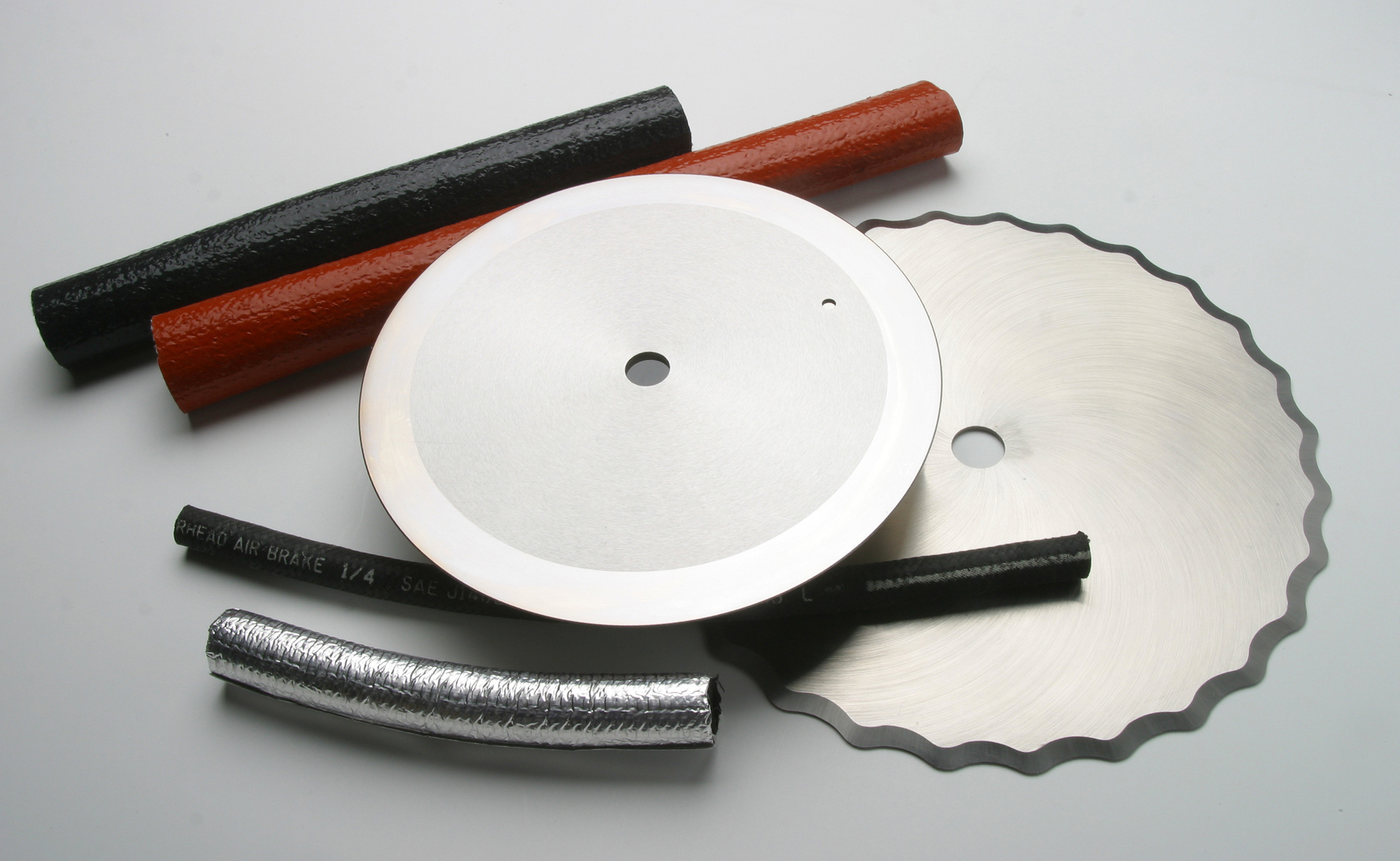
In manufacturing, you put your industrial knife blades to the test every day. Your machines are making precision cuts for 40 hours a week on the low end. A high-volume manufacturer running machines 24/7 puts 168 hours of wear on each machine per week. All this cutting takes a toll on your blades.
Over time, blade wear affects final product quality, takes your machines down, and puts your workers at risk of injury. These blade performance tips will help you keep your shop up and running.
What Industrial Blade Wear Looks Like in Real World Use
You can expect your industrial blades to wear out. Working with hard materials like plastics, dense wood, fiberglass, and abrasive composite materials wears out your blades. Each cut subjects your blades to heat, friction, and abrasion.
For example, shredder blades at plastics recycling centers tend to wear out faster because they’re constantly cutting PVC, high-density polyethylene, and other materials with abrasive additives.
So how can you tell the difference between what’s normal and what may mean your blades are failing prematurely? Start by looking for dulling, scratches, and minor nicks and chips. Check the coating to see if it looks worn. These are all normal signs of wear.
If you notice deep cracks and fractures, pitting, rust, or warping, remove the blade. This type of damage signals that your blade may fail prematurely.
Common Failures You Can Spot Early
Spotting early signs of failure saves you from excessive downtime. It also helps you keep your floor workers safe. A fractured blade can break and shatter, which puts your workers in danger. Dull, chipped, and warped blades can malfunction mid-cut, sending debris flying across the production floor.
When you and your team leads know the warning signs of early failure, you can take the machine down and replace the blade before it becomes a problem.
Chipping and Cracking at the Edge
Anything from overuse to improper storage can cause chips and cracks on your blade edges. You can usually restore blades with small chips by grinding and sharpening them. Your original equipment manufacturer (OEM) might have specific guidelines for restoring or replacing a chipped blade. In general, any chip over 2 millimeters is too big to repair.
Immediately remove a cracked blade. Even the smallest cracks can make a blade fail or shatter.
Blunting and Rounding of the Cutting Profile
Check the cutting edge of each knife blade. Both sides of your cutting edge should come together to form a sharp point. If the cutting edge looks blunt or rounded, your knife probably needs a quick sharpening.
Galling or Material Buildup on the Knife Blade
Manufacturers work with multiple materials that can cause galling on knife blades. Galling is when the material you’re cutting sticks to the knife blade. This is common when working with softer materials such as plastics or rubber. It also happens when you’re cutting metal with a blade made of an incompatible metal.
Industrial blade galling usually looks like the blade is torn or scraped, while material buildup looks like rust, patina, or sticky residue.
Coating Breakdown or Peeling
Coating industrial knife blades is common because it helps make them wear resistant, but these coatings can break down. Look for obvious signs such as peeling or separation. If your blade is faded or discolored in different spots, your coating could be breaking down. Also, inspect your blades for rust or other damage that a coating is supposed to prevent.
Why Do Industrial Blades Fail Sooner Than Expected?
Constantly sharpening or changing your blades is frustrating and expensive. It’s also a clue that your blades are wearing out prematurely, which has some common causes:
- Improper Usage: It’s important to choose the right knife blades for each task. Cutting materials with a knife that’s not made for it can damage or warp your blades. For example, food processing with a standard carbon steel knife will make the blades wear out or rust. Instead, choose a stainless steel blade, preferably with a moisture-resistant coating. Poor material choice causes chips in harder knife blades and rolling or warping in softer ones.
- Improper Edge Geometry: A blade's angles are precisely determined based on the materials you're working with. For example, a blade with a higher angle isn't as sharp and precise, which is great for hard materials, but inappropriate for paper. Using a knife that is too wide or narrow can cause the cutting edge to blunt or roll.
- Weak Coatings: A poorly coated knife blade will wear out faster because the coating will fail. Steer clear of industrial blades with uneven coating, bubbling, peeling, or a blotchy finish. Choose manufacturers with the best blade coating technology for blades that are more resistant to rust, corrosion, and damage.
- Inadequate Maintenance: Proper maintenance, including regular grinding and sharpening, can prevent industrial blade damage.
- Faulty Regrinding Practices: A grind shop without experience with industrial blades might not use the right tools to regrind and sharpen your blades. If they remove too much material or sharpen the blade at the wrong angle, it won’t work correctly and often wears out faster. Poor sharpening usually causes edges to appear uneven or rounded.
How to Diagnose Blade Wear Before It Causes Downtime
Your floor supervisors and machine operators should inspect blades regularly, ideally at the end of every shift. They can catch minor damage and fix it before it impacts cutting efficiency or takes a machine down completely.
Other signs of wear include performance changes, such as increased dust or poor cut quality. If the machine is vibrating or straining to make standard cuts, it’s time to check your blades.
Best Practices to Prevent Recurring Wear Issues
Always choose the right blades for each job. If your plant manufactures products with various materials, make sure your workers are using the right machines or changing blades for different materials. Lastly, partner with a qualified service provider, such as Hyde, for regular maintenance. Our team also customizes industrial blades for specific tasks.
Why Working With a Blade Manufacturer Makes the Difference
Experienced blade manufactures like Hyde have the right expertise to analyze your blades. We have been fabricating custom industrial blades for over 150 years and our team includes experts in metallurgy and engineering.
It’s important to work with a vendor that understands how a blade’s composition makes it more susceptible to wear. Choosing a vendor familiar with OEM specs is also crucial for routine maintenance that extends blade life and reduces downtime.
Contact us today for custom industrial knives made to your specifications.